
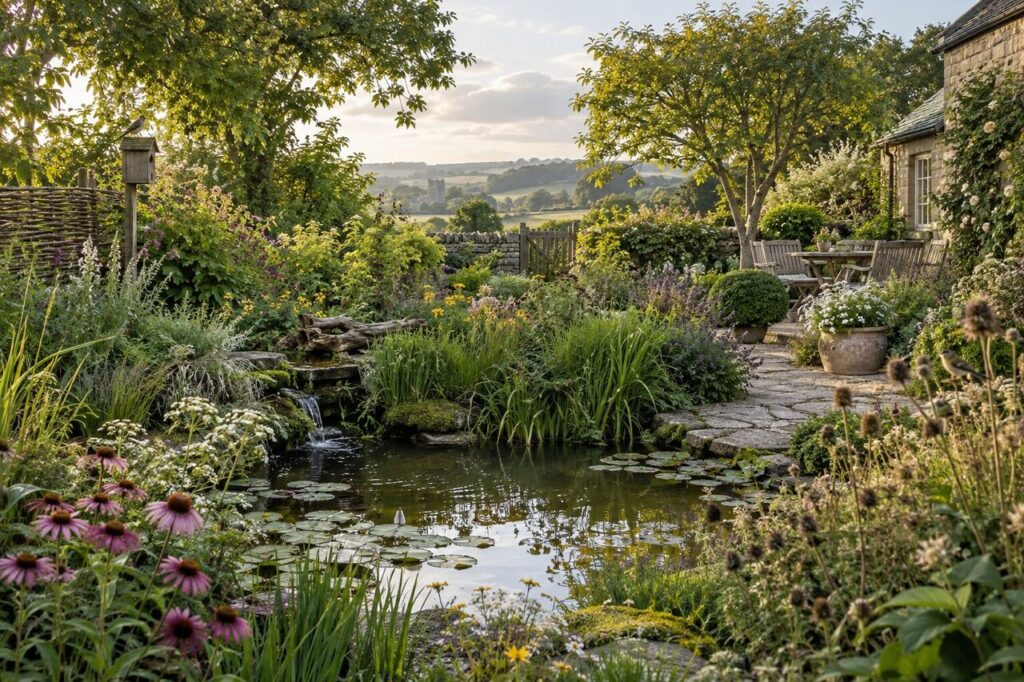
Layered planting, water, shelter and selective maintenance can create a garden that is both beautiful and genuinely useful for wildlife.

Great gardens teach more than plant names. Look at views, paths, enclosure, repetition and the sequence of spaces to understand why a garden works.
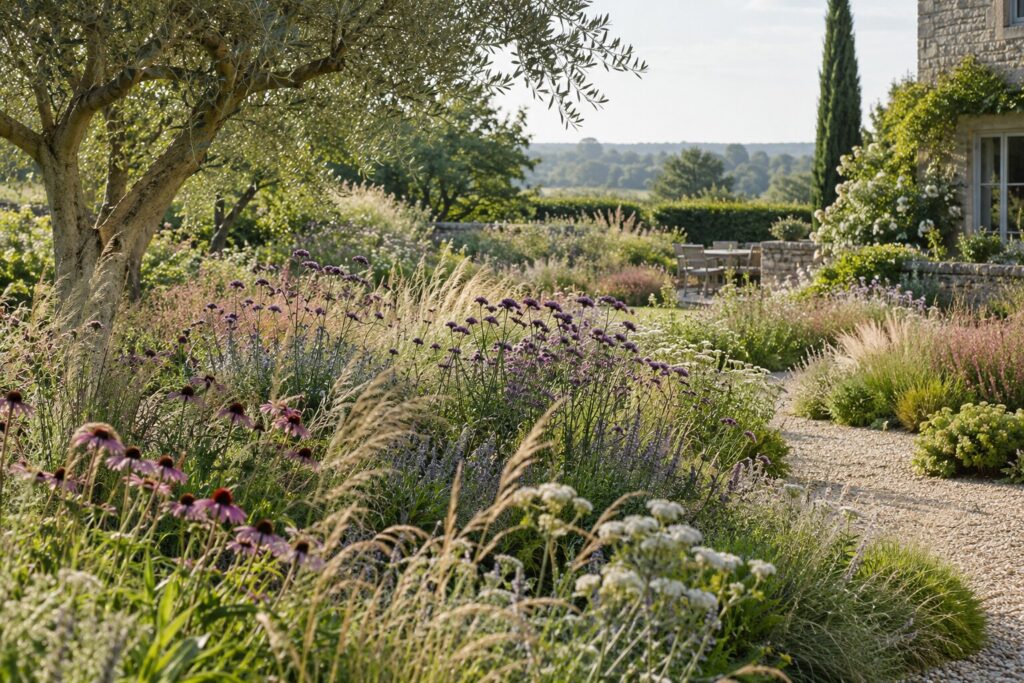
Naturalistic planting may look spontaneous, but repetition, plant form and careful editing are what give it rhythm and coherence.
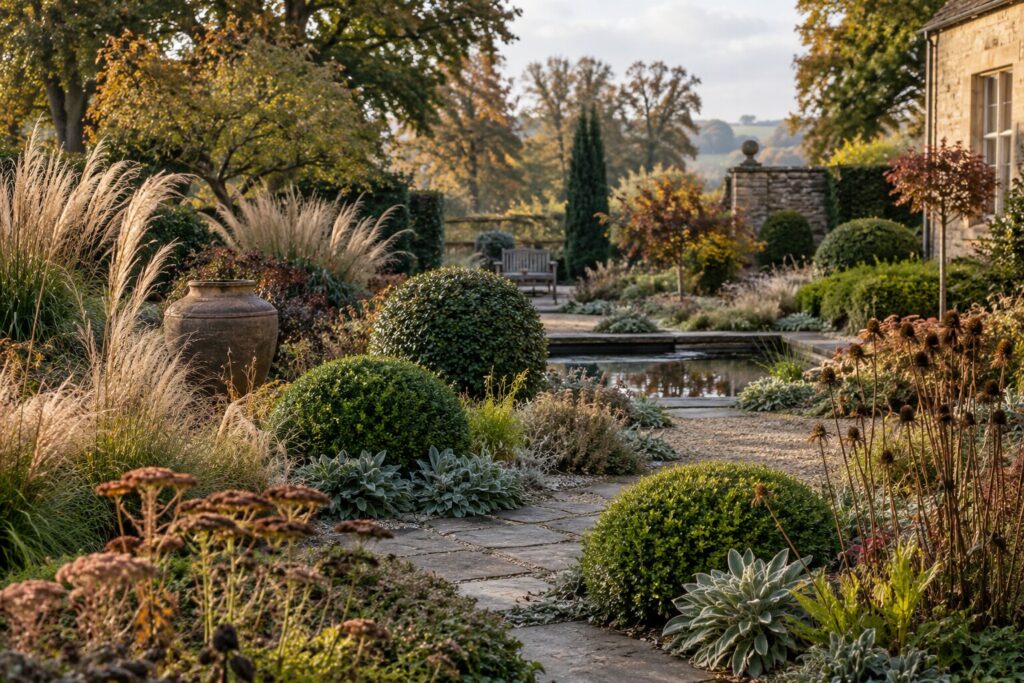
Structure, foliage, seedheads and seasonal succession can keep a garden interesting long after the main flowering season has passed.
Plant & Grow
From sowing and planting to propagation, bulbs, vegetables and herbs.
Garden Care
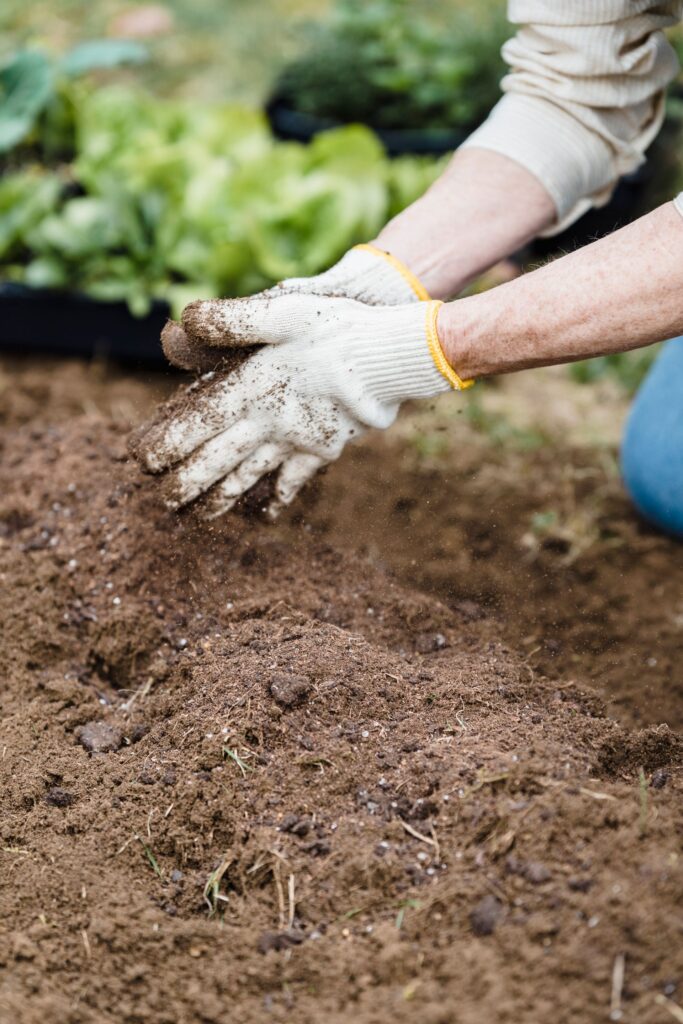
Seasonal jobs, watering, soil, compost, lawns and everyday garden care.
Problems & Solutions
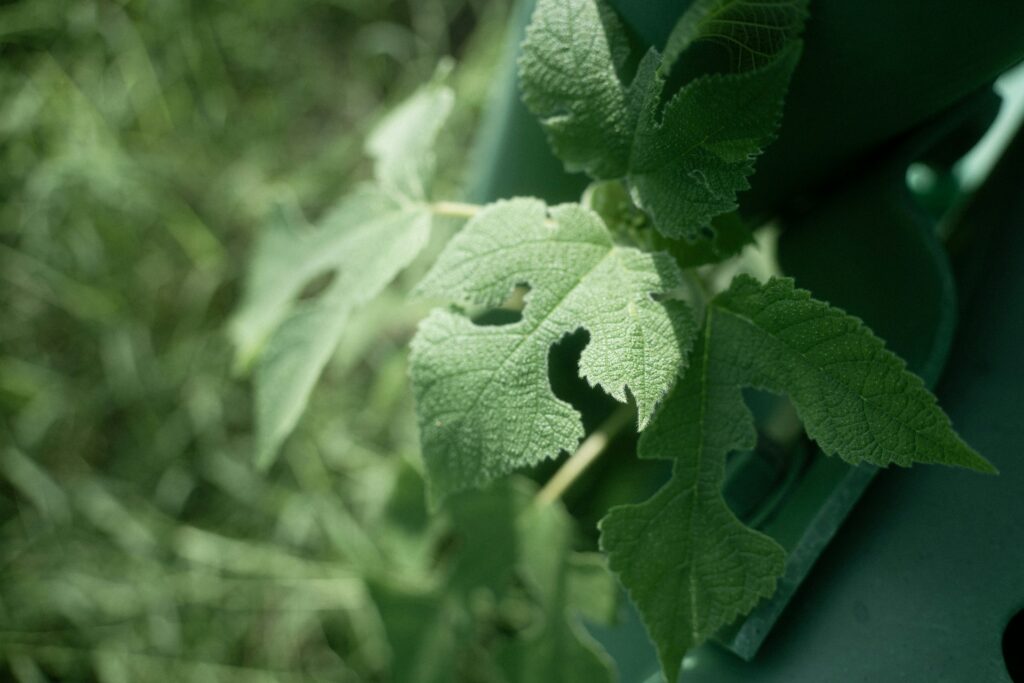
Clear answers for pests, diseases and the things that do not quite go to plan.

Tools & Skills
Choose, use and care for the tools that make good gardening easier.
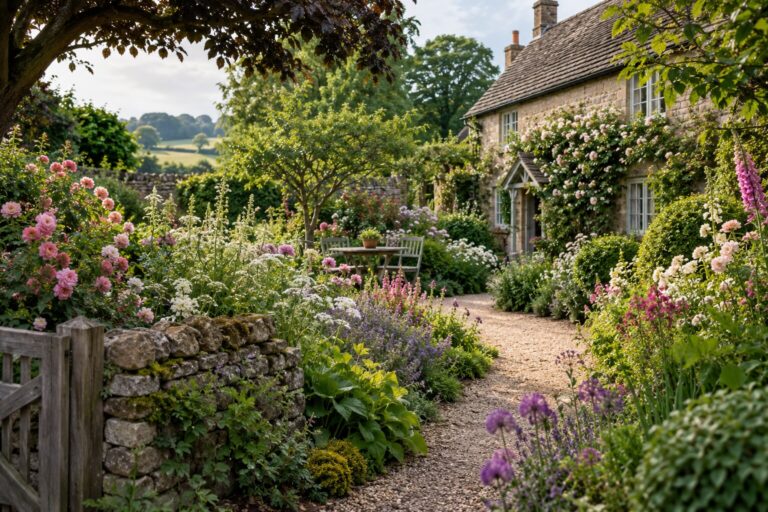
A closer look at the structure, layered planting, repetition and seasonal succession behind the apparent informality of a beautiful cottage garden.

How proportion, structure, layered planting and repetition can make even a compact garden feel generous, calm and beautifully resolved.
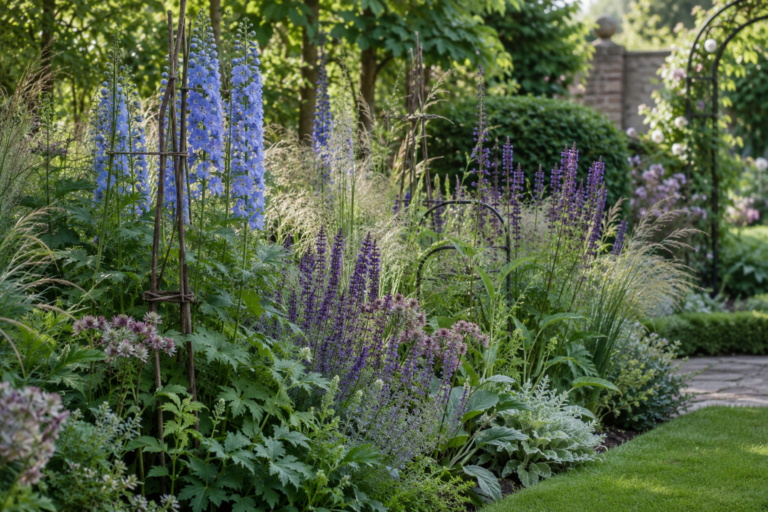
Support tall garden perennials without spoiling their natural shape using early staking, grow-through supports, twiggy branches and soft ties.
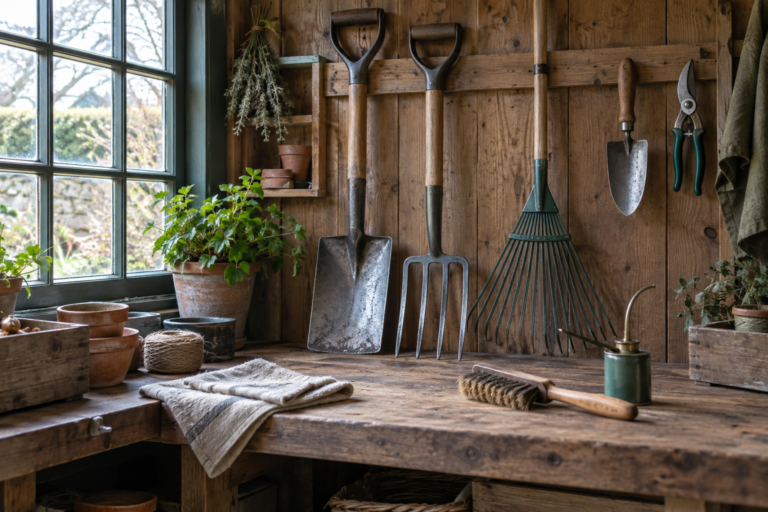
Prepare garden tools for winter by cleaning soil and sap, checking handles, removing rust, sharpening blades and storing tools dry.

Learn how to clean, inspect and sharpen secateurs while preserving the original blade bevel, alignment and smooth cutting action.
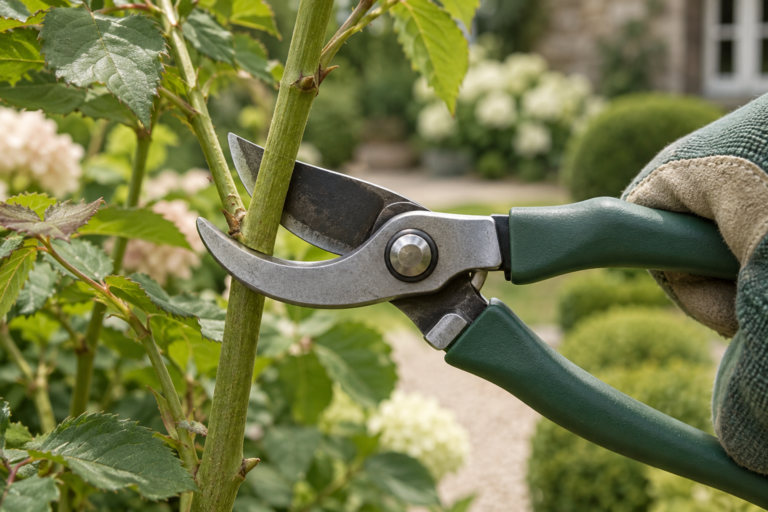
A practical guide to choosing bypass or anvil secateurs, matching them to your hand and making clean, controlled pruning cuts.
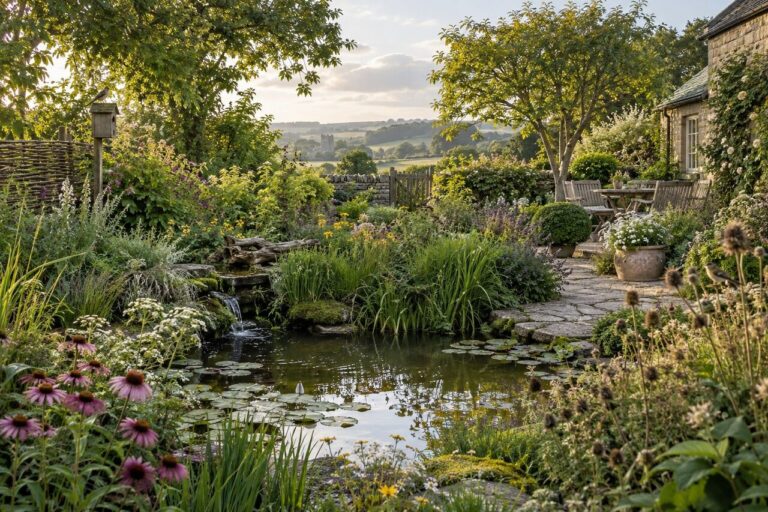
Layered planting, water, shelter and selective maintenance can create a garden that is both beautiful and genuinely useful for wildlife.

Great gardens teach more than plant names. Look at views, paths, enclosure, repetition and the sequence of spaces to understand why a garden works.
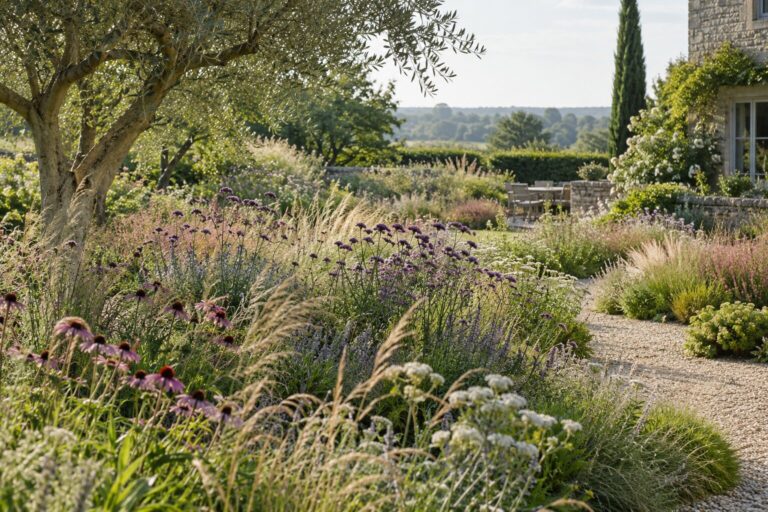
Naturalistic planting may look spontaneous, but repetition, plant form and careful editing are what give it rhythm and coherence.

Structure, foliage, seedheads and seasonal succession can keep a garden interesting long after the main flowering season has passed.